Cat Carriers Embroidery Designs: A Designer’s Review
When I first pulled up the Cat Carriers Embroidery Designs on my screen, I wasn’t looking for just another cute cat motif. As a designer who spends half my life tweaking stitch paths and the other half sourcing fabrics for client orders, I look for versatility. I need designs that hold up under scrutiny, not just in a digital preview but after the needle hits the fabric. These whimsical cats tucked into carriers and perched on cat furniture immediately struck me as having a specific, playful personality that is often missing from generic animal motifs. They feel narrative, like a little story stitched into cloth, which is exactly what modern buyers are hunting for in handmade goods.
First Impressions and Visual Personality
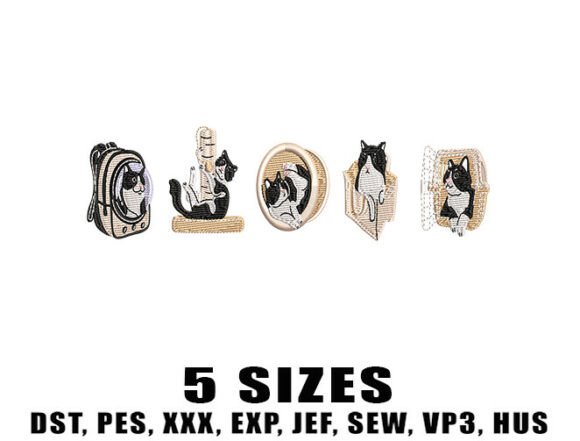
The immediate mood here is lighthearted and cozy. The layout of the cats within their carriers suggests movement and comfort, avoiding the stiff, static poses that plague so many stock embroidery files. For a professional, this matters because static designs often look flat once stitched out. The visual personality of these designs leans heavily into the "pet lover" niche without being overly saccharine. It is balanced. The details in the carrier structures and the furniture elements provide enough geometric contrast to the organic shapes of the cats, creating a pleasing visual rhythm.
I noticed that the design relies on a mix of fill stitches for the bodies and likely satin or running stitches for the finer details of the carriers. This combination is crucial for texture. If everything were filled, the piece would look heavy and cardboard-like. If it were all outline, it might lack presence. The balance here suggests a thoughtful approach to stitch density, which is a good sign for durability and washability.
Real-World Application: The Tote Bag Test
To truly evaluate a machine embroidery design, I have to imagine it on a finished product. Let’s say I am preparing a custom order for a local boutique that specializes in eco-friendly accessories. They want a line of canvas tote bags featuring pet themes. I pull up the medium size, roughly 5.8 inches, which fits perfectly in a standard 5x7 hoop.
On a natural cotton canvas, the Cat Carriers Embroidery Designs would pop beautifully. The whimsical nature of the cats makes the bag feel personalized and special, elevating it from a simple grocery carrier to a statement piece. I can visualize the thread colors vividly: soft greys and creams for the cats, contrasted with vibrant blues or earthy greens for the carriers. This isn’t just a pretty picture; it is a viable tote bag design that adds perceived value. Customers are more likely to pay a premium for a bag that features unique, well-executed art rather than a mass-printed graphic.
Versatility Across Product Lines
Beyond totes, these designs have serious potential in custom apparel. Imagine a heather grey sweatshirt with one of the smaller 3.8-inch designs placed over the left chest. It acts as a subtle badge of honor for cat owners. For baby embroidery, the larger sizes could work wonderfully on muslin swaddle blankets or nursery wall hangings, provided the thread choices are soft and pastel. The whimsical theme fits the nursery aesthetic perfectly without being gender-specific.
For Etsy sellers and small shop owners, this variety is gold. You can create a cohesive collection by using the same design family across different products. A matching set of a pillow cover and a kitchen towel creates a compelling bundle offer. The fact that there are five sizes available means you are not locked into one application. You can scale down for delicate embroidered patch projects or scale up for bold home decor items like throw pillows.
Technical Considerations and Fabric Choices
However, no design is universal, and a responsible designer knows where to exercise caution. While these Cat Carriers Embroidery Designs are charming, they require careful handling on certain materials. If you are working with stretchy fabrics like jersey knits for t-shirts, you must use a high-quality cut-away stabilizer. The weight of the fill stitches in the cat bodies could cause puckering if the fabric isn’t properly supported.
Textured fabrics also present a challenge. If you are stitching on a thick terry cloth towel, the finer details of the carrier might get lost in the pile. In such cases, I recommend using an applique technique if the design allows, or sticking to smoother fabrics like linen or cotton twill. Dark fabrics require high-contrast thread colors to ensure the design remains legible. A dark grey cat on a navy blue shirt will vanish, so always test your thread colors against your background fabric before committing to a final piece.
Curved surfaces, such as caps, need special attention. The 3.8-inch size is likely the safest bet for hats, but you must ensure the design is centered correctly to avoid distortion during the hooping process. Always check the stitch density in your software before loading the file. If the density is too high for a lightweight fabric, you risk perforating the material or causing tension issues.
Enhancing Brand Value and Customer Trust
From a business perspective, the quality of your embroidery file directly impacts customer trust. A clean, well-digitized design signals professionalism. When a buyer receives a personalized gift that looks crisp and durable, they associate that quality with your brand. These designs, with their clear lines and playful theme, help build that reputation. They are distinct enough to be recognizable, aiding in brand consistency if you use them as part of a signature style.
For commercial embroidery projects, such as corporate gifts for a veterinary clinic or a pet shelter fundraiser, these designs strike the right tone. They are professional yet approachable. Using high-quality design assets like these reduces the time spent on edits and troubleshooting, allowing you to focus on production and marketing.
Practical Designer Notes
Before you dive into production, here are my top recommendations for getting the best results:
- Test on Scrap Fabric: Never skip the test stitch. Run the design on the same type of fabric and stabilizer you plan to use for the final product. This reveals any tension issues or thread breaks.
- Check Stitch Density: Use your embroidery software to inspect the stitch count and density. Ensure it is appropriate for your machine and fabric weight.
- Contrast is Key: Create black and white mockups to see if the design holds its shape without color. If it looks muddy in grayscale, it may lack definition on low-contrast fabrics.
- Verify Licensing: Always confirm the license terms before selling finished items. While many designers allow commercial use of finished physical goods, rules vary for digital resale or mass production.
- Hoop Size Confirmation: With five sizes ranging from 3.8 to 6.8 inches, ensure your hoop matches the selected size. Do not try to force a large design into a small hoop by resizing beyond recommended limits, as this distorts stitch angles.
In conclusion, Cat Carriers Embroidery Designs offer a delightful blend of charm and practicality. They are well-suited for a wide range of handmade products, from holiday embroidery gifts to everyday small shop products. By paying attention to fabric choice, stabilizer selection, and thread contrast, you can turn these digital files into stunning physical items that resonate with cat lovers everywhere. Whether you are an experienced craft business owner or a hobbyist looking to elevate your next project, these designs provide a solid foundation for creative expression.