Tiger Embroidery Review for Boutique Sweatshirts
As an experienced embroidery designer who has spent years refining digital assets for small clothing brands, I approach every new file with a critical eye. Today, I am reviewing the Tiger Embroidery design specifically for a limited-edition sweatshirt drop for a boutique brand. The goal is to determine if this roaring tiger head can elevate a basic garment into a premium, must-have piece for our customers. When working with Wild Animals themes, the difference between a flat image and a textured masterpiece often lies in the stitch execution and how well the design translates to fabric.
First Impressions: Mood and Layout Analysis
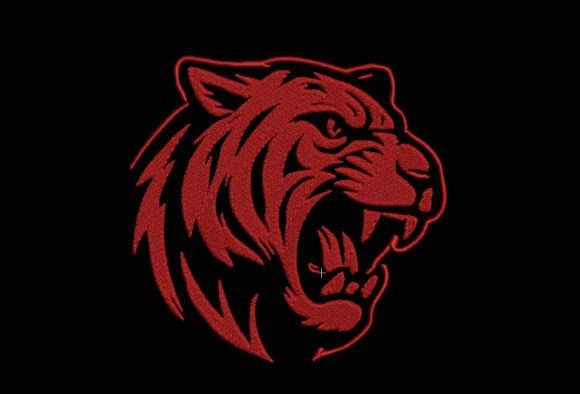
The moment I opened the preview of this Tiger Embroidery, the energy was palpable. The description promises a "bold and fierce" look, and the layout delivers on that promise immediately. Unlike many generic animal designs that feel cartoonish or overly simplified, this tiger head possesses a distinct personality. The lines are confident, suggesting a high level of detail that will translate beautifully into a finished product. For a boutique brand aiming for a "wild edge," this design strikes the perfect balance between aggression and artistry. It feels less like a standard sports logo and more like a statement piece suitable for streetwear or rugged outdoor apparel.
When visualizing this as a machine embroidery design, the layout appears balanced enough to sit comfortably on the chest of a hoodie without overwhelming the wearer. The focal point is clearly the eyes and the open mouth, which draws the viewer in instantly. This kind of visual hierarchy is crucial for custom apparel because it ensures the design remains readable even from a distance. Whether placed on a dark charcoal crewneck or a soft pastel oversized hoodie, the contrast potential is significant.
Visualizing Tiger Embroidery on Fabric Textures
One of the most exciting aspects of this project is testing how the Tiger Embroidery interacts with different fabric textures. Sweatshirts offer a unique canvas; the looped back of fleece creates a soft foundation that can make stitches pop if done correctly. On a neutral heather grey sweatshirt, the bold orange and black threads of the tiger would stand out aggressively, creating a modern, urban aesthetic. Conversely, placing this fierce design on a cream or oatmeal-colored sweatshirt could soften the impact slightly, making it feel more artistic and less aggressive—perfect for a lifestyle brand targeting a younger, trend-conscious demographic.
I also considered how this hoodie design would perform on darker fabrics. A deep navy or forest green background would allow the lighter thread colors in the tiger's face to glow, enhancing the "roaring" effect. However, this requires careful attention to thread color contrast. If the design relies heavily on black outlines against a black fabric, we risk losing definition. Fortunately, the layout suggests enough white or light-colored highlights to maintain visibility. For Etsy sellers looking to expand their inventory, offering this design on both light and dark bases provides excellent variety for customer preference.
Placement Strategies for Maximum Impact
- Chest Placement: Ideal for a classic, branded look. Keep the size moderate to ensure the details remain crisp without distorting the fabric.
- Back Design: A large-scale version of the Tiger Embroidery on the back of an oversized hoodie creates a dramatic, gallery-like presentation.
- Sleeve Accents: Smaller iterations of the tiger head work perfectly as sleeve patches, adding a subtle touch of wildness to casual wear.
- Jacket Patches: As suggested by the product description, this design is excellent for denim jackets, adding a retro-cool vibe to outerwear.
Technical Evaluation: Stitch Density and Stabilizer Needs
From a technical standpoint, the success of any sweatshirt embroidery depends on managing stitch density and fabric stability. Since sweatshirts are thicker than t-shirts, they require a robust stabilizer choice to prevent puckering. I recommend using a cutaway stabilizer for this project to support the weight of the threads, especially around the dense areas of the tiger's fur and mane. Without proper stabilization, the heavy stitching could warp the neckline or cause the design to look uneven after washing.
The stitch density appears to be optimized for commercial use, but as always, a test run is essential. High-density areas need to breathe; if the stitches are too tight, the fabric may not recover its shape, leading to a stiff, uncomfortable patch on the garment. For small shop products, ensuring the comfort of the final item is just as important as the visual appeal. Customers expect their handmade items to feel premium, not scratchy or rigid.
Another critical factor is the hoop size. While the file format provided includes PE files, you must verify the dimensions before production. If the design is intended for a large back print, you may need to split the hoop or use a walking foot attachment to accommodate the width. Small-size readability is also a concern; while the full design looks great, shrinking it down for a pocket placement might blur the finer details of the tiger's expression. Always check the minimum recommended size in your software before committing to a batch.
Enhancing Brand Identity and Product Value
Incorporating Tiger Embroidery into a collection does more than just decorate a shirt; it builds brand identity. A fierce, well-executed animal motif signals strength, confidence, and uniqueness. For a boutique brand, this helps differentiate your products from mass-market alternatives found in big-box stores. When a customer sees a high-quality embroidered tiger on a sweatshirt, they perceive higher value. They understand that this is a handmade product created with care and precision, justifying a higher price point.
For Etsy sellers and digital creators, the ability to showcase this design through printable mockup previews is vital. High-quality images showing the texture of the threads against the fabric can significantly boost conversion rates. Buyers want to see how the finished product will look in real life. By presenting the Tiger Embroidery in various contexts—on a model, close-up shots of the stitching, and lifestyle photography—you build trust and engagement. This visual storytelling turns a simple embroidery file into a desirable asset for creative entrepreneurs.
Practical Considerations for Production
Before launching this commercial embroidery project, there are a few logistical checks to make. Ensure that the digital embroidery file you receive matches the specifications of your machine. The description mentions PE formats, which are compatible with Brother machines, but if you use a different brand, you may need to convert the file. Additionally, consider the durability of the design. Will the threads hold up after multiple washes? Using high-quality polyester or rayon threads will ensure longevity, maintaining the vibrant look of the tiger even after months of wear.
Finally, think about the target audience. Is this design too aggressive for a children's line, or is it perfect for a youth streetwear collection? The versatility of Tiger Embroidery allows it to fit various niches, from sports-themed gear to artistic fashion statements. By carefully selecting your design assets and pairing them with the right fabrics and colors, you can create a cohesive collection that resonates with your specific market.
In conclusion, this Tiger Embroidery design offers a compelling opportunity for small businesses to add a bold, wild element to their apparel line. With proper technical preparation and creative placement, it has the potential to become a signature piece for any custom apparel brand. Remember to always test your settings, choose the right stabilizers, and present your work with pride. The result will be a premium, eye-catching product that stands out in a crowded marketplace.